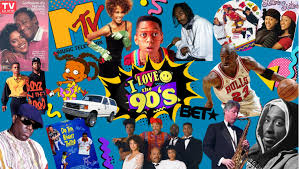
Introduction to Pop Culture Trends
Pop culture trends shape the way people think, communicate, and consume content in the modern world. From viral challenges on TikTok to blockbuster movies produced by Marvel Studios, pop culture continuously evolves with technological advancements and societal changes. Understanding pop culture trends is essential for businesses, marketers, and individuals who want to stay relevant in an increasingly digital and interconnected world.
In this blog, we explore the most significant pop culture trends influencing global audiences, highlighting key platforms, influencers, entertainment industries, and digital innovations.
The Rise of Social Media in Pop Culture
Social media platforms have become the backbone of modern pop culture trends. Apps like Instagram and TikTok have transformed how trends emerge and spread across the globe. Viral dances, memes, and challenges can gain millions of views within hours, shaping conversations worldwide.
Influencers such as Kim Kardashian and MrBeast play a critical role in setting trends. Their massive followings allow them to introduce new fashion styles, products, and ideas that quickly become mainstream.
Additionally, platforms like YouTube have given rise to content creators who dominate digital entertainment. This shift has reduced reliance on traditional media outlets and empowered individuals to shape pop culture narratives.
Streaming Platforms and Entertainment Evolution
Streaming services have revolutionized how people consume entertainment. Companies like Netflix, Disney, and Amazon offer on-demand access to movies, TV shows, and original content.
Popular series such as Stranger Things and The Mandalorian have become cultural phenomena, influencing fashion, language, and fan communities. The binge-watching culture promoted by these platforms has also changed viewing habits, making entire seasons available at once.
Moreover, streaming platforms are investing heavily in diverse storytelling, giving voice to creators from different backgrounds and cultures. This inclusivity is a key component of modern pop culture trends.
Music Trends and Global Influence
The music industry plays a vital role in shaping pop culture. Artists like Taylor Swift and Drake consistently influence global trends through chart-topping hits and social media presence.
The rise of K-pop, led by groups like BTS, has demonstrated the power of global fandoms. Platforms like Spotify have made it easier for international artists to reach audiences worldwide.
Additionally, short-form video platforms like TikTok have become powerful tools for music discovery, often turning unknown songs into viral hits overnight.
Fashion Trends and Celebrity Influence
Fashion is a core component of pop culture trends. Celebrities such as Zendaya and Harry Styles are known for pushing fashion boundaries and inspiring global audiences.
Major fashion events like Met Gala set the tone for upcoming trends. Designers and brands closely watch these events to identify emerging styles and consumer preferences.
Streetwear, sustainable fashion, and gender-neutral clothing are among the most significant trends today. Brands are increasingly focusing on eco-friendly materials and ethical production processes, reflecting changing consumer values.
The Impact of Memes and Internet Culture
Memes are a powerful driver of pop culture trends. They reflect societal attitudes, humor, and current events, often spreading rapidly across platforms like Reddit and Twitter.
Memes can influence public opinion, marketing campaigns, and even political discourse. Their ability to simplify complex ideas into relatable content makes them an essential part of digital communication.
Brands are increasingly leveraging meme culture to connect with younger audiences, using humor and relatability to build engagement and loyalty.
Gaming and Virtual Worlds
The gaming industry has become a dominant force in pop culture. Games like Fortnite and Minecraft have created immersive virtual worlds where players can interact, create, and socialize.
Companies like Epic Games and Microsoft are leading the charge in developing innovative gaming experiences.
The concept of the metaverse, popularized by Meta, is further blurring the lines between physical and digital realities. Virtual concerts, digital fashion, and online communities are becoming integral parts of pop culture.
The Role of Technology in Pop Culture Trends
Technological advancements play a crucial role in shaping pop culture. Innovations in artificial intelligence, augmented reality, and virtual reality are transforming how people interact with content.
Devices like the iPhone and platforms developed by Google have made it easier to access and share information instantly.
AI-driven tools are also influencing creative industries, enabling artists, filmmakers, and musicians to experiment with new forms of expression. This intersection of technology and creativity is a defining feature of modern pop culture trends.
Diversity and Representation in Media
Diversity and representation have become central to pop culture trends. Audiences are demanding more inclusive content that reflects different identities, experiences, and perspectives.
Films like Black Panther and shows like Bridgerton have set new standards for representation in media.
Organizations such as Academy of Motion Picture Arts and Sciences are also recognizing the importance of diversity through awards and initiatives that promote inclusivity.
This shift is not only socially significant but also economically beneficial, as diverse content resonates with broader audiences.
Influencer Culture and Digital Marketing
Influencer culture is a major component of pop culture trends. Influencers collaborate with brands to promote products, services, and lifestyles, often reaching millions of followers.
Platforms like Instagram and YouTube serve as primary channels for influencer marketing.
Micro-influencers, who have smaller but highly engaged audiences, are gaining popularity due to their authenticity and niche appeal. This trend is reshaping digital marketing strategies and consumer behavior.
The Future of Pop Culture Trends
The future of pop culture trends will likely be shaped by emerging technologies, evolving consumer preferences, and global connectivity. Innovations such as virtual reality experiences, AI-generated content, and blockchain-based digital assets are expected to play a significant role.
Companies like Apple and Meta are investing heavily in these areas, indicating a shift toward more immersive and interactive experiences.
As pop culture continues to evolve, staying informed about these trends will be crucial for individuals and businesses alike.
Conclusion
Pop culture trends are a reflection of society’s values, interests, and technological advancements. From social media platforms like TikTok to global entertainment giants like Netflix, the forces shaping pop culture are diverse and dynamic.
By understanding these trends, businesses can create more effective marketing strategies, and individuals can stay connected to the world around them. As technology continues to advance, pop culture will remain a powerful influence on how we live, communicate, and express ourselves.
Leave a Reply