
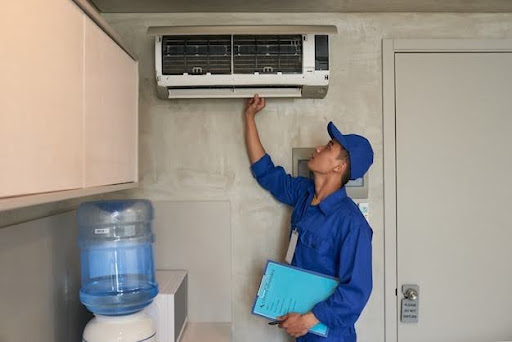
Key Factors to Consider Before Commercial AC Installation
Choosing a cooling system is one of the biggest decisions a building owner or tenant will make. Commercial ac installation affects comfort, energy bills, and daily operations for many years, so mistakes can be expensive. A system that is too small struggles on hot days, while one that is too large wastes energy. This guide explains the key factors to weigh before you sign a contract.
1. Building Size and Cooling Load
Commercial ac installation starts with an accurate cooling load calculation. This considers floor area, ceiling height, insulation, windows, sun exposure, occupancy, and heat from equipment such as computers or kitchen appliances.
Rules of thumb are unreliable, so ask a qualified professional for a proper assessment. Correct sizing improves comfort and efficiency. Accurate numbers help contractors recommend equipment that matches real needs.
2. System Type and Layout
The right system depends on your building and how you use it. Commercial ac installation may involve rooftop units, split systems, variable refrigerant flow, or chilled water systems.
Compare how each handles zoning, noise, maintenance access, and future expansion. Also check where equipment will sit and whether the structure can support heavy units. Ask which option suits your building best and why.
3. Energy Efficiency and Operating Costs
Purchase price is only part of the cost. A smart commercial ac installation is judged on running costs over the equipment’s life, including electricity, servicing, and repairs. Look at efficiency ratings, smart controls, and zoning options that reduce waste.
Ask for estimates in writing so you can compare options fairly. A more efficient unit may cost more upfront but can save money over time.
4. Budget, Quotes, and Contractor Selection
Get several detailed quotes before committing. Commercial ac installation prices vary with equipment, labor, ductwork, permits, and electrical upgrades, so compare what is included rather than only the total.
Check that the contractor is licensed, insured, and experienced with similar buildings. Ask for references, warranty terms, and a clear schedule. Be cautious of unusually low quotes.
5. Permits, Codes, and Safety
Local rules cover building permits, electrical work, refrigerant handling, noise limits, and fire safety. Commercial ac installation must meet these requirements, which differ by location. A reputable contractor will explain what applies and handle the paperwork.
Skipping approvals can lead to fines, failed inspections, or insurance problems. Confirm who will arrange inspections.
6. Timing and Business Disruption
Installation can disturb staff, customers, and deliveries. Plan commercial ac installation for a quieter period, and ask how long cooling or access may be affected. Discuss working hours, noise, dust control, and temporary cooling if needed.
A clear schedule helps you inform tenants and employees in advance. Temporary arrangements keep operations running smoothly.
Final Thoughts
Commercial ac installation is a long-term investment in comfort, costs, and reliability. Size the system properly, compare written quotes, hire a licensed contractor, and confirm permits before work begins. Keep contracts and warranties safe, and schedule regular maintenance. Always ask questions before signing anything. With careful planning, your business will stay comfortable, efficient, and productive for many years.